√ Neutral Packaging √ Quality Assurance


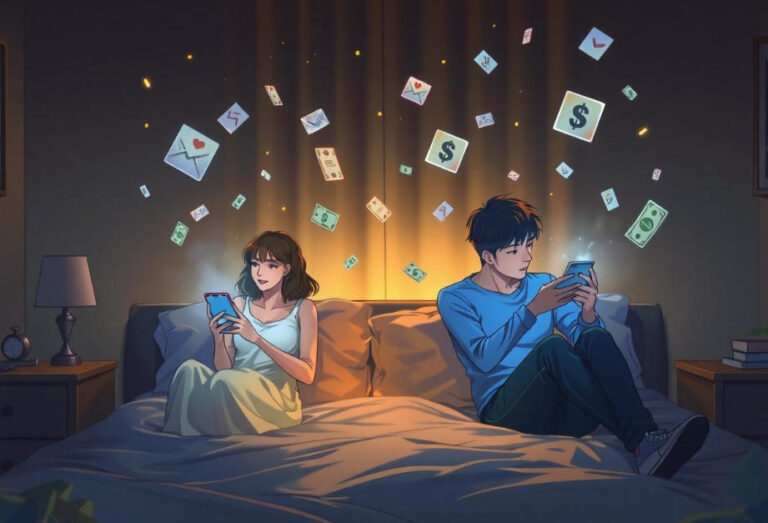
Love in the Time of Wi-Fi: Why We’re Ghosting Each Other—In and Out of Bed
Products you might be interested in





The first time I heard the term “pleasure recession,” I laughed. Like, actually laughed—one of those sharp, disbelieving snorts you make when reality slaps you with something so absurd it has to be a joke. But no. Americans are having less sex than ever before. Not just a little less. Not just “oh, we’re all busy” less. We’re talking historically less. The kind of less that makes researchers clutch their pearls and whisper, “What the hell is happening to us?”
Back in 1990, 55% of adults were getting it on at least once a week. By 2024? That number crashed to 37%. Let that sink in. Nearly two-thirds of us are now in the “meh, maybe next week” camp. And it’s not just the pandemic’s fault—though, sure, lockdowns didn’t help. This is a slow-motion unraveling, a quiet epidemic of loneliness masquerading as “I’m just focusing on my career, you know?”
So what’s really going on? Why are we swiping left on sex itself?
The Death of the Casual Hookup (And Other Tragedies)
Remember when “Netflix and chill” actually meant… well, chilling? Now it just means binge-watching “The Bear” alone while doomscrolling through dating apps that feel like a part-time job with no benefits.
We’re drowning in digital distractions. The average young adult spends 6.5 hours a week with friends in person—down from 12.8 hours just a decade ago. That’s not a dip. That’s a nosedive. We’re trading IRL flirting for TikTok black holes and “just one more episode” lies. And let’s be real—you can’t accidentally lock eyes with someone across a crowded room when you’re glued to your phone in sweatpants.
Then there’s porn. Not that porn is bad—but when it’s one click away, always available, no rejection, no awkward small talk, why bother with the messiness of real people? For a lot of guys (and let’s not pretend it’s just guys), it’s become the ultimate low-effort substitute. Why risk the emotional rollercoaster of dating when you’ve got an endless buffet of pixelated fantasy?
But here’s the kicker: Porn doesn’t hug you back. It doesn’t text you “good morning” or hold your hair when you’re sick. And yet, we’re treating it like a relationship replacement, like ordering Uber Eats instead of learning to cook.
Dating Apps: The Illusion of Infinite Choice (And Zero Connection)
Dating apps were supposed to be the ultimate wingman. Instead, they’ve turned romance into a gig economy—endless swiping, ghosting, and the soul-crushing realization that “plenty of fish” just means “plenty of people who will leave you on read.”
Gen Z—bless their hearts—got hit the hardest. They’re the first generation raised on algorithmic love, where “sliding into DMs” is a courtship ritual and “situationships” are the new normal. But here’s the thing: Humans aren’t meant to be options. We’re not Amazon Prime deliveries you can return if the packaging is dented.
And let’s talk about the fear factor. Post-#MeToo, a lot of guys are terrified of misstepping. Not because they’re predators, but because the rules feel like a minefield. “Is this flirty or creepy? Is this a compliment or harassment?” The anxiety is real. Meanwhile, women are exhausted from dodging unsolicited dick pics and “Hey, beautiful” messages from guys who clearly didn’t read their bios.
The result? Everyone’s too scared to make a move. We’ve replaced spontaneity with overthinking, and passion with paralysis.
The Economy of Love (Or Lack Thereof)
Let’s get brutally honest for a second: Sex costs money. Not directly (unless you’re into that kind of thing), but indirectly? Absolutely.
- Rent is sky-high. You’re not bringing someone back to your studio apartment that’s basically a glorified closet.
- Dating is expensive. Drinks, dinners, Ubers—it adds up. And when you’re drowning in student loans, “Netflix and chill” starts to look like a financial strategy.
- The gig economy is killing libido. When you’re working two jobs just to afford avocado toast, the last thing on your mind is “Hey, let’s get freaky.”
And then there’s the birth control panic. With abortion rights under attack, the stakes of casual sex feel higher than ever. A condom breaking isn’t just an “oops” moment—it’s a potential life-altering crisis. So yeah, some people are opting out. Fear is the ultimate mood killer.
Gen Z: The Celibacy Generation?
If Millennials were the “delayed adulthood” generation, Gen Z might be the “why bother?” generation.
They’re having less sex than any generation before them—not because they’re prudes, but because they’re pragmatic. They saw Millennials get screwed by the economy, by dating apps, by the endless grind of modern life. So they’re prioritizing stability over spontaneity.
- They’re digital natives. Flirting IRL feels awkward when you’ve spent your whole life communicating through memes.
- They’re anxious. Depression and loneliness are at record highs. When you’re barely keeping it together, dating feels like another stressor, not an escape.
- They’re redefining intimacy. For some, sex isn’t the holy grail—emotional connection is. And if they’re not finding that? They’d rather wait.
But here’s the heartbreaking part: A lot of them want connection. They’re just terrified of getting hurt, rejected, or stuck in another dead-end situationship. So they retreat. They tell themselves “I’m fine alone,” even when they’re starving for touch.
The Sex Recession: A Crisis or a Correction?
Call it what you want—pleasure recession, intimacy drought, the great celibacy experiment—but the numbers don’t lie. We’re in a slump. And like any recession, it’s not just about the sex. It’s about what the sex represents: connection, joy, the messy, beautiful chaos of being human together.
So… is this the end of romance? Nah. But it is a wake-up call.
We can fight back. Not by forcing ourselves into bad dates or pretending we’re all fine with being lonely, but by reclaiming the things that make intimacy worth it:
- Putting down the damn phone. (Yes, even when it’s hard.)
- Prioritizing real-life hangouts over virtual ones. (Remember when people just showed up at each other’s places? Let’s bring that back.)
- Being brave enough to flirt, to ask someone out, to risk rejection. (Because the alternative—a life of “what if?”—is worse.)
- Demanding a culture that doesn’t treat love like a transaction. (Dating apps, I’m looking at you.)
The next generation’s fight isn’t just about having more sex. It’s about refusing to let algorithms and anxiety steal our humanity. It’s about choosing connection over convenience, even when it’s scary.
Because at the end of the day? We’re not meant to do life alone. And if we forget that, we don’t just lose sex—we lose the very thing that makes life worth living.
Share to:
- Share on X (Opens in new window) X
- Share on Facebook (Opens in new window) Facebook
- Share on Reddit (Opens in new window) Reddit
- Share on Threads (Opens in new window) Threads
- Share on LinkedIn (Opens in new window) LinkedIn
- Share on Pinterest (Opens in new window) Pinterest
- Share on Telegram (Opens in new window) Telegram
- Share on WhatsApp (Opens in new window) WhatsApp
Related
By using this website you agree to our Privacy Policy.